Global climate change has become an obvious challenge for agriculture worldwide. Weather conditions that once followed relatively stable seasonal patterns are becoming increasingly unpredictable. Sudden heavy rainfall during harvest, prolonged droughts, record autumn temperatures or frosts in early September — all of this is forcing farmers to rethink their approach to harvest logistics. In these conditions, flexible solutions are becoming increasingly important, and grain carts and transfer trailers are playing a growing role.
In the past, agricultural campaigns could be planned around established harvesting periods based on historical climate data. Today, however, any forecast requires adjustment literally "on the go". Shifts in crop ripening periods and uneven weather windows mean that farmers have to harvest not only quickly, but also flexibly — within short periods between rainfall or temperature peaks.
This increases the workload on both farm machinery and the overall logistics system. If a combine cannot unload grain quickly, it has to stop, and valuable harvesting time is lost. This is why grain carts are becoming critically important. They act as a mobile buffer, allowing the harvesting process to continue even during peak periods.
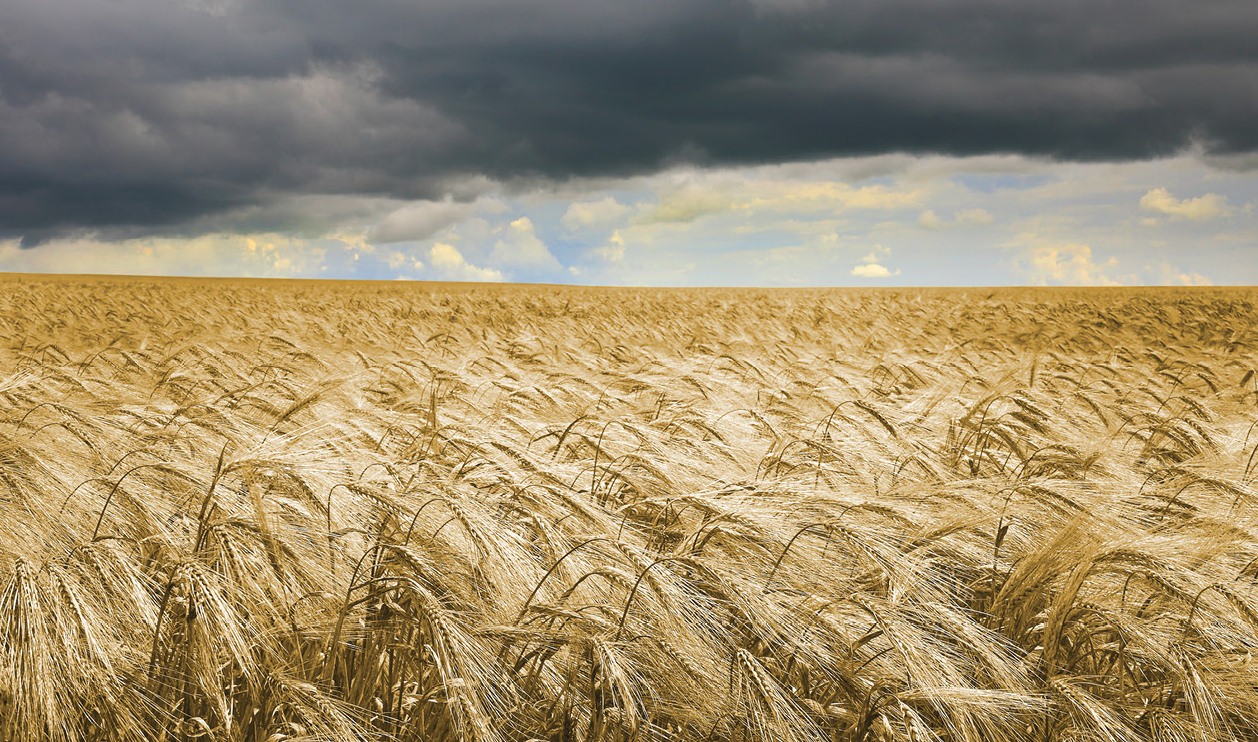
Short "windows" of dry weather are forcing farmers to use grain carts not only for transportation, but also as a tool for operational coordination. Having several grain carts in the field makes it possible to quickly receive grain from combines and transfer it to trucks or nearby storage facilities without downtime. This reduces the risk of moisture damage or grain sprouting in the field.
In addition, modern grain carts can be equipped with weighing systems that provide real-time control over the exact amount of harvested grain. Combined with agricultural analytics platforms, this makes it possible to make operational decisions quickly: where to move machinery, where to speed up grain transportation, and where to allocate additional resources.
In addition to short-term weather changes, farmers are increasingly facing extreme situations such as dust storms, unusually heavy rainfall or extreme heat. In such cases, grain carts can temporarily accumulate harvested grain in the field, helping preserve grain quality until transportation or storage becomes available.
Farms equipped with modern grain carts featuring protected bodies, ventilation and heat-resistant coatings can achieve significantly lower losses even during unfavorable seasons. This demonstrates a shift in paradigm: logistics is no longer simply about moving grain from one point to another, but is becoming a flexible crisis-management system for agricultural resources.
Climate change requires farmers to adopt a new level of harvest management. What matters is not only the level of technical equipment, but also the ability to adapt quickly to changing circumstances. Grain carts are no longer merely auxiliary equipment — they are becoming a strategic part of modern agricultural logistics.
In the future, we will see even greater integration of grain carts with digital field maps, weather services, crop maturity forecasting systems and machinery route optimization tools. All of this will help minimize the impact of climate-related risks on harvest results.
Conditions are changing, but adaptation is the key to success. Modern agricultural machinery, including grain carts and transfer trailers, is precisely the tool that enables farmers not only to cope with the new reality, but to succeed in it.